Age and Language: The Never-Ending Debate
Although many people believe that only children can master a new language, adults can also become very successful learners by using their life experience and logic. There is a common idea that learning a language is impossible after a certain age. This is often called the “critical period.” However, while kids pick up sounds easily, older students have their own unique strengths that help them succeed.
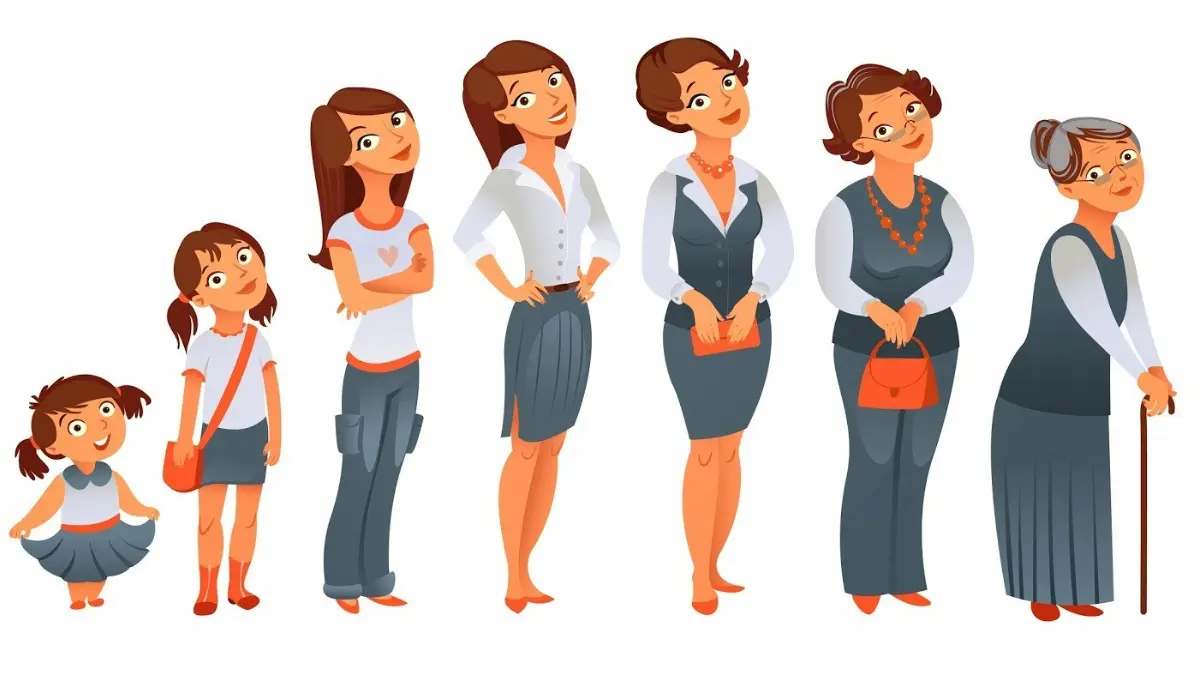
Young children are like sponges because their brains are still growing and very flexible. They can learn to speak with a perfect accent just by playing and listening to others. For example, a five-year-old moving to a new country usually speaks like a native within just a few months.
On the other hand, adults are much better at understanding complex grammar rules and patterns. Because an adult already knows how their first language works, so they can use logic to learn faster. They don’t just copy sounds; they understand the “why” behind the sentences, which is a big advantage.
Some people argue that if you don’t start young, you will never be fluent. But many famous polyglots started learning languages in their thirties or even later. With enough practice and motivation, the brain stays sharp. Age is just a number, and it does not stop someone from reaching a high level.
In conclusion, age changes the way we learn rather than closing the door of learning. Children have better ears for sounds, but adults have better minds for structure. Anyone can learn a language at any time if they stay positive and work hard.